With the improvements and development of surgery over recent years, more and more operations are being done through keyhole techniques.

There are huge benefits to this approach, but it can also lead to misunderstandings about what the body has been through and the impact the procedure may still be having.
Keyhole surgery can significantly reduce the size of the incision needed to complete an operation.
You are likely to be left with a very small external scar, sometimes two or three small scars, which can make it easy to assume that the surgery was less complicated and less impactful on the body as a whole.
When we see something small we tend to equate it with less. In some ways this is true:
- Less risk of infection
- Less area of skin to heal
- Less visible reminder of the surgery
- Potentially less time in hospital
However, it’s important not to belittle the fact that you have had surgery. Just because the operation didn’t need a big an incision, the internal effect of that surgery, short and long term, can still be significant.
The visual reminder on the surface may not match what’s happened under the surface.
Why keyhole surgery is often misunderstood
The rise of keyhole surgery came with advancements in surgical equipment, allowing tiny cameras and specialised tools to be inserted without needing a large incision. This has transformed modern surgery.
But those tools still need to reach the area being operated on. Where one large incision may once have been used, surgeons often now make two or three smaller ones to give access to the camera and instruments.
This means the small scars you see on the surface hide the internal journey the equipment had to make. The connective tissue along the route may have been cut or moved aside, and this creates adhesions and scarring.
Even though the keyhole scar is small, the internal procedure is still the same.
No matter if it’s an organ removal, hernia repair or something else, internal cuts, stitches and tissue disruption will have occurred. All of this has an impact.
Too often I hear clients dismiss a surgery because ‘it was only keyhole’. Or they believe a small, old scar couldn’t possibly be affecting them now.
These assumptions can mean the real root of ongoing issues gets overlooked. They can be the missing piece of the puzzle behind chronic or recurring pain.

The Difference Between the External Scar and the Internal Story
When you undergo surgery it creates changes internally, and not just with the area being operated on.
Under the skin is a network of fascia, a three-dimensional web of connective tissue that surrounds and connects every structure in the body.
When surgery takes place, it’s not just the skin that is cut – several layers of fascia are also involved. In keyhole surgery, this may happen along multiple pathways as different tools enter through different points to reach the main surgical site.
When fascia is cut or disrupted, the body repairs it with scar tissue, which has different properties. It is less flexible, less stretchy, and can create lines of internal restriction. There can also be lines of scar tissue following the path surgical equipment went through.
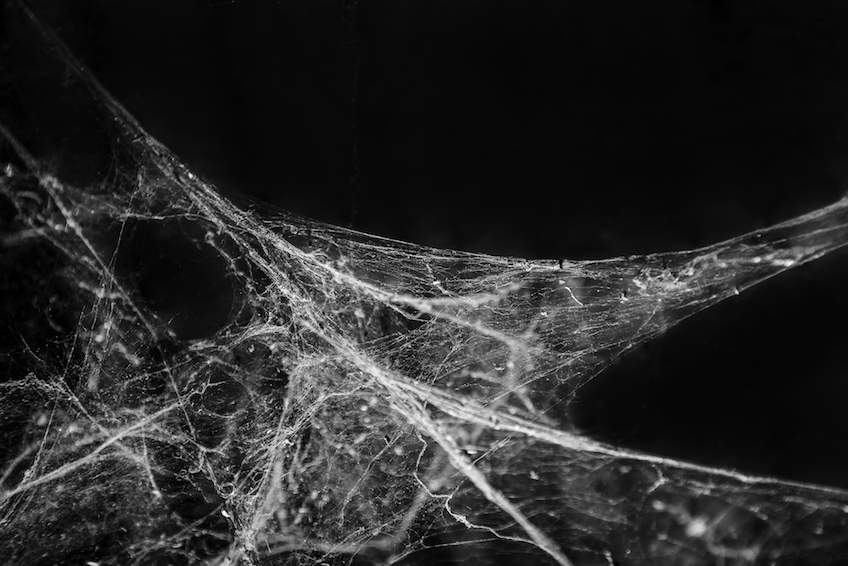
Adhesions can form (think of this as sticky areas) where fascia /tissue layers don’t slide against each other as easily as they should. As you move, breath, digest, and exercise, these areas may no longer have the same mobility. That can create tension patterns that influence movement throughout the body.
Plus remember, the actually surgery is essentially the same.
A hysterectomy is still a hysterectomy
A gall bladder removal is still a gall bladder removal
A hernia repair still involves the same work inside, no matter how small the scar on the outside.
If a structure or organ has been removed, the body also has to adapt to the new internal space.
So yes, keyhole surgery has huge benefits, but the internal impact is rarely as small as the scar you’re left with
Why Small Scars Can Still Cause Big Problems
This blog isn’t meant to scare or worry you. Its purpose is to help you understand what your body may have been through, so you can take positive steps to support your recovery.
Sometimes surgery is unavoidable. Personally, it saved my life, and I’m very grateful every time I see my scar. But aftercare shouldn’t stop once the external scar has healed.
I hope you now have a new appreciation of what your body may have been through beneath the skin. It’s those internal changes that are often overlooked but can be having a big impact even if we can’t directly feel it.

Where there is internal scar tissue or adhesions, the body has to adapt. Movement may become restricted, even in subtle ways.
This can affect everything from big movements like walking, gardening, sport, housework, to less considered movements such as breathing, digesting food, posture etc.
With abdominal surgery, internal restrictions or tension patterns may place tension on or around your organs, limiting the space they have to function comfortably. Because your body always protects your vital organs first, it may alter movement in nearby joints (such as the hips or shoulders) to reduce pressure internally.
Whilst you may not be aware of these subtle changes, they can build over time and lead to recurring injury, dysfunction or unexplained pain.
A client example:
A client had chronic back pain that was aggravated every time she bent down to pic something up.
During my assessment, her body took me to her 40-year-old, 2 cm long appendectomy scar. She hadn’t thought about it in years, and it wasn’t causing her any direct discomfort.
After two sessions of ScarWork and Visceral work to release the adhesions and restrictions in, around and under the scar her back pain went.
So small scars really can hold much bigger stories.
What You Can Do to Support Healing

The good news is that no matter how old the scar is, change is always possible.
If your surgery was recent, there is a lot you can do to support your healing. This includes:
- Gentle self-massage to support mobility and bring nourishment into the tissues
- to keep the area mobile and bring nutrition into the area.
- Movement that gently stretches the body and all directions, such as yoga.
- Mindful exercise like Pilates or Feldenkraus, to improve awareness to how you are moving and strengthen postural muscles.
- Hydration and good nutrition to support tissue repair.
There may also be compensations from before your surgery. For example, if you had knee or hip pain, your body will have adapted your movement to avoid discomfort. After surgery, those older patterns may still be present and need support to rebalance.
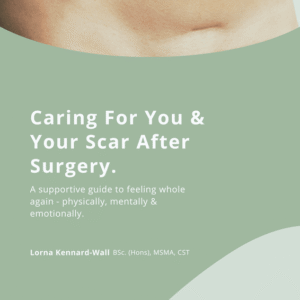
I have created an eBook for a whole person approach to post surgery self-care and recovery.
Caring for you and your scar after surgery: A Supportive guide to feeling whole again – physically, mentally & emotionally
If you are concerned about an old scar or surgery that happened years ago, again improvements can still be made. Remember my clients appendix scar was over 40 years old.
For older scars you may need therapeutic support. I combine ScarWork which helps improve the incision scar from the surface down, with Visceral Manipulation, a gentle therapy that helps release internal tension and restrictions. The two work beautifully together and clients have had some incredible results.
You can read more about these approaches through the links below and you’ll also find links to the therapy directories to find practitioners in your area.
I hope you’ve found this post helpful and insightful.
Please don’t dismiss the potential impact of a scar, no matter how small or how old it is.
Scars all tell a story, and sometimes they are the missing piece in understanding ongoing pain or a pattern that hasn’t resolved.
Your body wants to heal and find balance. Sometimes it just needs the right kind of support along the way.