In a world where we are exposed to diet culture every day, in casual conversations, in the supermarket, magazines, on television, and online, many of us have lost touch with the innate wisdom of our bodies when it comes to nourishment. We’ve been bombarded with messages about what we should and shouldn’t eat, naturally leaving us feeling confused, guilty, and disconnected from our own needs.
But what if there was another way? What if you could reclaim your relationship with food and learn to trust yourself again?Here’s where intuitive eating comes in–a gentle, compassionate approach to eating that honours your body’s unique cues and preferences, free from restrictions.
It’s a non-diet approach to eating developed by dietitians Evelyn Tribole and Elyse Resch. Since they published their book in 1995 there have been over 100 studies published, demonstrating the physical and mental health benefits of intuitive eating.

At its core intuitive eating is a self-care eating framework that is based on ten principles that guide us towards a more peaceful and fulfilling way of eating. The principles work in two ways, they either help to improve your ability to connect to and respond to your body’s natural cues, or they remove obstacles that might be in the way for you to connect to these cues. Let’s dive into the 10 principles…
1) Reject the Diet Mentality
Becoming aware of your diet mentality thoughts can be enlightening, as often they can be so engrained and habitual, that you don’t even know they are there. In this principle, we work on moving away from diet mentality thoughts and reframing them to become more intuitive.This process begins the journey towards regaining trust in your body and listening to its needs, instead of leading with rules and restrictions from external sources such as diet plans and rigid thinking.
2) Honour your Hunger
Hunger is a natural biological cue that lets you know that your body needs nourishment. Nourishing your body is as essential to life as breathing and is an important part of intuitive eating. Strict diet plans often ask you to ignore your natural, biological hunger cues, which can set off a biological cascade, both physically and psychologically, and a primal hunger, which is an urgent intense desire to eat–which often leads to overeating. Learning to honour and respond to this first biological signal sets the stage for rebuilding trust in yourself and in food.
3) Make Peace with Food
Food is not the enemy–it’s a source of pleasure, joy, and nourishment. Making peace with food is a critical component of intuitive eating, which involves eating the food you desire while staying attuned to your hunger, fullness, and satisfaction cues. It’s the process of making your food choices emotionally equal, without placing shame or judgment on them, whether you’re eating a chocolate biscuit or a piece of broccoli. This is also an important principle because it shifts you out of the deprivation mindset, which can cause food cravings and a longing for the foods you have forbidden.
4) Challenge the Food Police
The food police are the voices in your head that judge, criticize, and shame you for your food choices, saying you’re ‘good’or ‘bad’ for eating in a certain way. These unreasonable food rules can create intense shame when you’re not being ‘ good’.This shame can keep you trapped in the very behaviours that you’re trying to change. This is why intuitive eating encourages us to challenge these negative thoughts and beliefs and replace them with self-compassion and acceptance. It’s about giving yourself permission to enjoy food without judgment.
5) Discover Satisfaction

Rediscovering satisfaction is the foundation of intuitive eating. When you follow strict rules around what, when, and how much to eat, you could be missing out on one of life’s simplest joys—the pleasure and satisfaction that can be found in the eating experience.
When you eat what you really want, in an environment that is inviting, the pleasure you gain will be a powerful force in helping you feel satisfied and content. By providing this experience for yourself, you will find that it takes just the right amount of food for you to decide when you’ve had “enough.”
6) Feel Your Fullness
Feeling your fullness is just as important as feeling your hunger. In order to honour your fullness, you need to trust that you will give yourself the foods that you desire. Listening for your body’s signals that tell you that you are no longer hungry and observing the signs that show that you’re comfortably full. Bearing this in mind, there are several factors that can influence how much food it takes for you to experience comfortable fullness including your initial hunger level, your activity levels, timing, the amount and type of food, social influence and how much you’re allowing yourself to eat unconditionally with attunement (as it will be hard to stop eating if you tell yourself you will never eat a particular food again).
7) Cope with your Emotions with kindness
Using food as a coping mechanism for certain emotions, can lead to feelings of guilt and disconnection from your hunger and fullness signals. Learning how to cope with your emotions with kindness, without turning to food, can help you connect and respond to your hunger and fullness cues, whatever emotion you are experiencing in the moment. Joy,anxiety, peace, loneliness, gratitude, boredom and optimism are emotions we all experience throughout life, each have their own solution,it’s helpful to remember that food will never solve a problem.
8) Respect your Body
Respecting your body means treating it with dignity and kindness, as well as meeting its basic needs. Think of your body as your lifelong companion, always striving to keep you safe and maintain balance, while honouring your natural genetic blueprint, which includes things like your height, weight and health along with your eye colour and foot length. By embracing your body and appreciating its journey with you, you pave the way for a healthier relationship with food and yourself. Remember, being overly critical or unrealistic about your body size or shape will only hinder your progress towards eating more intuitively.
9) Movement– Feel the Difference
There’s no question that exercise is beneficial for your health on so many levels, but the challenge for many lies in maintaining a consistent routine. When movement feels like a chore driven only by the desire to burn calories, it can quickly become demotivating. Re-framing your mindset towards exercise is essential for cultivating a sustainable relationship with movement. Instead of fixating on weight loss, shifting your focus to how exercise makes you feel can make all the difference. Embracing movement for its intrinsic rewards rather than its potential to alter your weight allows for a more fulfilling and long-lasting commitment to moving your body.
10) Honour your Health with Gentle Nutrition
This principle is around making food choices that honour your health and taste buds, while making you feel good. Remember you don’t have to strive for perfection in your eating habits to maintain good health. You will not suddenly get a nutrient deficiency, from one snack, one meal, or one day of eating. It’s what you eat consistently over time that matters. Progress,not perfection, is what counts.
A little note here…there’s a reason why this principle is left until the very end. It isn’t because it is the least important, but because by the time you get to this principle, you will no longer be engaging in diet mentality, and therefore you won’t be at risk of using any nutritional guidance, as another way of creating rigids rules around food. Remember to always trust yourself and your intuition when it comes to nourishing your body, you’re the expert.
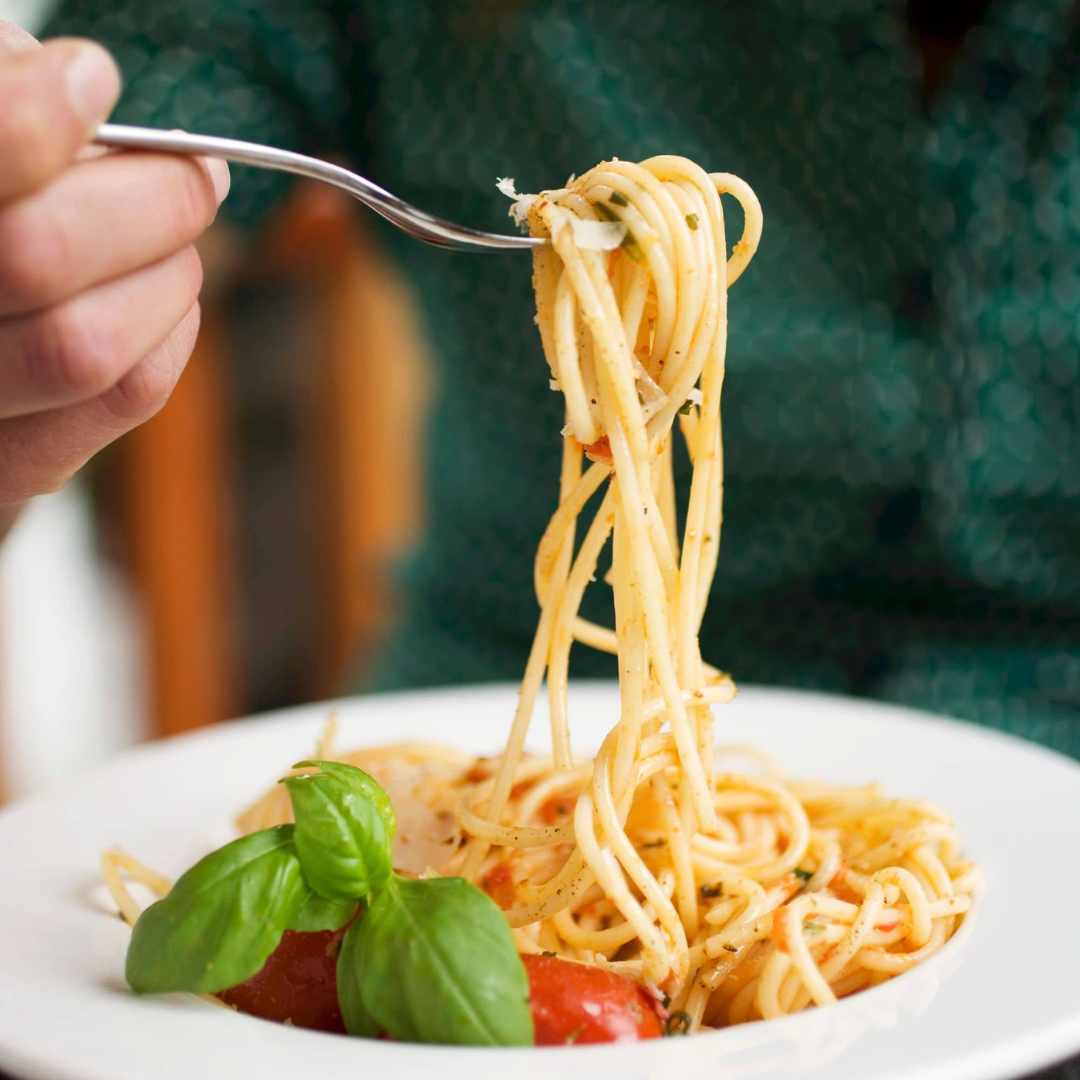
To summarize, intuitive eating is a journey of self-discovery, self-compassion, and self-care. It’s about letting go of the diet mindset and embracing a more intuitive, balanced approach to eating. By honouring your bodies’ wisdom and nourishing yourself from a place of love and respect, you can cultivate a healthier, happier relationship with food and with yourself.
My Story...

I started actively ‘dieting’ in my teenage years, triggered by feelings of comparison and social pressure to fit the ‘thin ideal’. As a result of my dieting attempts, I became obsessed with food and my weight, which, since starting to diet, was fluctuating more than it ever had done in the past.
I was experiencing binge eating episodes, using food to cope with emotions (both comfortable and uncomfortable), I had hormonal imbalances, and a clear lack of energy and concentration.When I discovered intuitive eating (after years of being trapped in the dieting cycle), the penny dropped, it all made sense to me.
The process led me back to rediscovering my own intuitive eater, and finally making peace with food, letting go of dieting for good and allowing my body to settle at its natural weight range, and truly honouring that.
I understand how difficult it can be to break free from dieting and regain trust in your body, but I know that it can absolutely be done. It’s a journey and like any change, it may not happen overnight but the peace and freedom you experience on the other side is 100% worth it. I hope you’ve found this helpful.
If you’d like to reach out to me, to ask any questions or enquire about how I can help you, please feel free to book in for a free discovery call, I’m more than happy to chat anytime! Here’s making peace with food and embracing food freedom for good❤️.
Áine