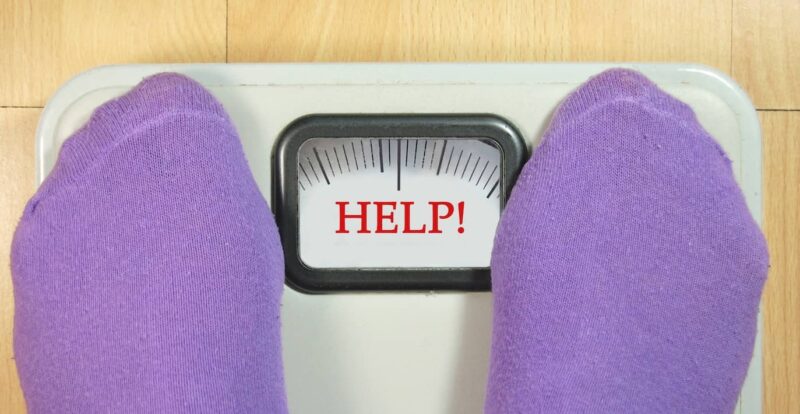
The real reason why you procrastinate
You set time aside, promise yourself today is the day… then before you know it you’re scrolling on your phone.
A week goes by and despite your best intentions… it’s still not done.
Does this sound familiar?
If you’re stuck in that loop of procrastinating, beating yourself up for procrastinating, then avoiding the feeling that brings too… you’re not alone. We all do it on some level, but it doesn’t mean you need to be a slave to it either.
So often we think we need to get more organised, buy some time management software, write it a reminder on a post-it note, block time out in the diary, enlist the services of a coach/mentor, or just require a good old kick up the bum to get motivated!

None of these things are the solution because the issue isn’t time management or your ability.
There’s another reason why you keep procrastinating (which is the term used to describe this pattern of behaviour) which will make much more sense as you read on.
It’s Not About Discipline
Most people think procrastination is a motivation issue.
That if they just had more discipline, more focus, or a better morning routine, they’d stop putting things off. But that’s rarely the full story.
Procrastination is a nervous system response.
A subconscious attempt to keep you safe from something that feels, on some level, like a threat. Not a physical one, but an emotional, psychological, or energetic one. The kind your survival system still takes seriously.

Even if this feels completely misguided, it’s important to understand that you can hold a conscious view of how you want life to be, while your subconscious holds a conflicting belief.
Even though you may know exactly what you want, how you want to act or respond, and how you’d like your life to look, if your subconscious mind holds an opposing belief, it will always win.
It will sabotage your efforts and pull you back to its baseline. You can’t fight this primal mechanism, but the excellent news is that you can erase the trigger and set a new, preferred baseline.
I’ll explain more about that in a moment, but first it’s important to understand why this is happening so you can recognise these patterns within yourself.
What Procrastination Can Actually Look Like
It’s not always obvious.
- Maybe you keep putting things off until the last minute. You know exactly what you need to do but just can’t seem to get started.
- You find yourself constantly delaying important things, even when you care deeply about them.
- Avoid certain tasks without fully understanding why.
- Feel frozen every time you need to begin something meaningful.
- Clean, scroll, snack, or even start a random home project just to avoid the tension.
The trickiest part to notice these habits in yourself, they can appear productive on the surface.
You can think, “I’ll just check my emails and clear the inbox to clear my mind so I can focus….” and before you know it, half an hour has vanished along with your motivation. That little moment of relief slips away and you end up beating yourself up because you still haven’t bloomin’ well done it – arrrrgggghhh, why can’t I just…!
The Hidden Triggers Behind Procrastination
Here are a few common examples we can all relate to, along with the subconscious beliefs that may be driving your response.
The task feels overwhelming
It looks simple on paper, but your body tenses at the thought, your mind goes blank or foggy, and you don’t know where to start. So you don’t.
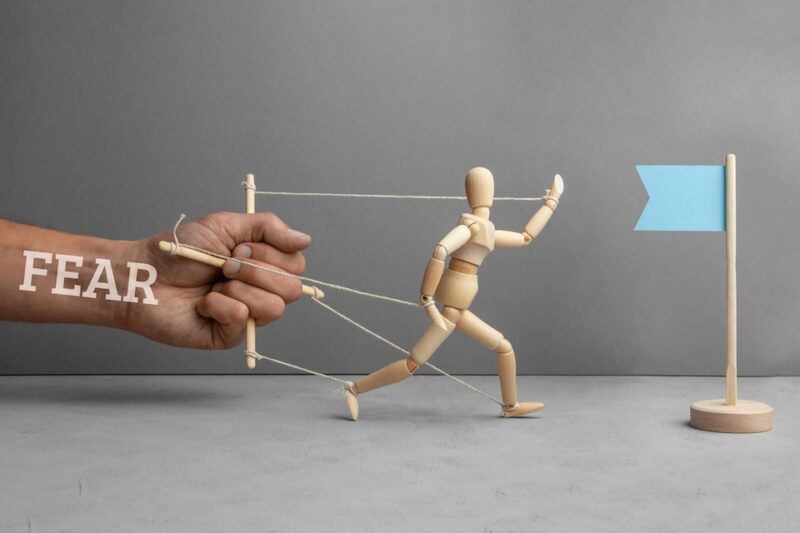
This can be linked to fear of success or failure, or to visibility, judgment, or the pressure to get it right.
Even if you want to move forward, a part of you may fear what happens if you actually do.
It activates an old belief
These are the types of things you’ll say to yourself:
“If I can’t do it perfectly, I shouldn’t do it at all.”
“People will see I’m not good enough.”
“It didn’t work last time I tried, so I might as well save myself the bother.”
“I always mess things up anyway.”
“What if I get too busy? If I succeed, I’ll have to maintain it… and I’m already tired.”
These beliefs may be subconscious, but they’re powerful. They create resistance, and your brain – wired for safety – listens. So you don’t do it.
It brings up uncomfortable emotions
Guilt or shame – for doing better than your friends or family.
Self-doubt – you can’t see your own brilliance.
Fear – of success, failure, or being seen.
Overwhelm – a mix of emotions that pile on top of each other until you can’t see a clear way forward.
It’s Not Just You
As I mentioned earlier, procrastination is a normal primal human response. It often stems from our upbringing and the conditioning we’ve received from friends, family, society, the media, and everything else around us.
During the first seven years of life, our brainwaves are essentially in a hypnotic state, recording everything that is deemed safe for survival and connection with our tribe. The problem is, that messaging may not match our dreams, beliefs, or aspirations as adults. And just think how much society has changed in the last few decades – what felt right then may not feel right now.
This is why it happens. Your mind and body may be carrying unprocessed stress, old beliefs, or unresolved emotional tension that makes the action you want to take feel unsafe. Even when you really want to move forward.
This isn’t something you can just think your way out of.
The best thing you can do with your new understanding is be kind to yourself.
Our subconscious minds are wonderful. Without them, we couldn’t function, as so many things happen automatically in the background that allow us to go about our day.

Your subconscious mind isn’t designed to think – it’s designed to react and respond to its programming.

When you find yourself acting in a way that goes against your goals, get curious.
- Notice your thoughts, phrases, and feelings that go alongside them.
- Thank yourself for noticing.
Step back and ask:
- Is this serving me right now? How is this behaviour keeping me safe?
- What is it protecting me fromAnd do I want to continue like this?
Where to Start
Procrastination isn’t just a habit.
It’s often a sign that something deeper is happening in your system. Something that needs attention and understanding, not more pressure.
It can be interesting to explore and feel into what you believe will happen if you actually do it; what you’re afraid you’ll feel after it’s done; and whether your nervous system truly trusts that it’s safe to take that next step.
You don’t need more structure, or another planner, or that proverbial kick up the dewberrywhatsit. You don’t need to talk it all through endlessly either, because that doesn’t fundamentally change your automatic responses. With the right type of support, which can release those trapped emotions and automatic thoughts, those blocks can melt away, in a way that feels safe and makes positive change possible again.
It’s never too late to create positive change
There are many methods that re-program the subconscious mind AND release trapped emotions, allowing you to be freed from the frustrating cycle of procrastination.
For Lorna and myself, we are both trained in PSYCH-K®,
with the additional options of
There is also the option of the Manifesting Magnificence pre-recorded course if you’d like to master these things for yourself whilst being connected with a larger community.
Appointments are available online over Zoom and from our home clinic near Kingsbury Episcopi, South Somerset. If you’d like to meet us first you can book your complimentary 30-minute call.